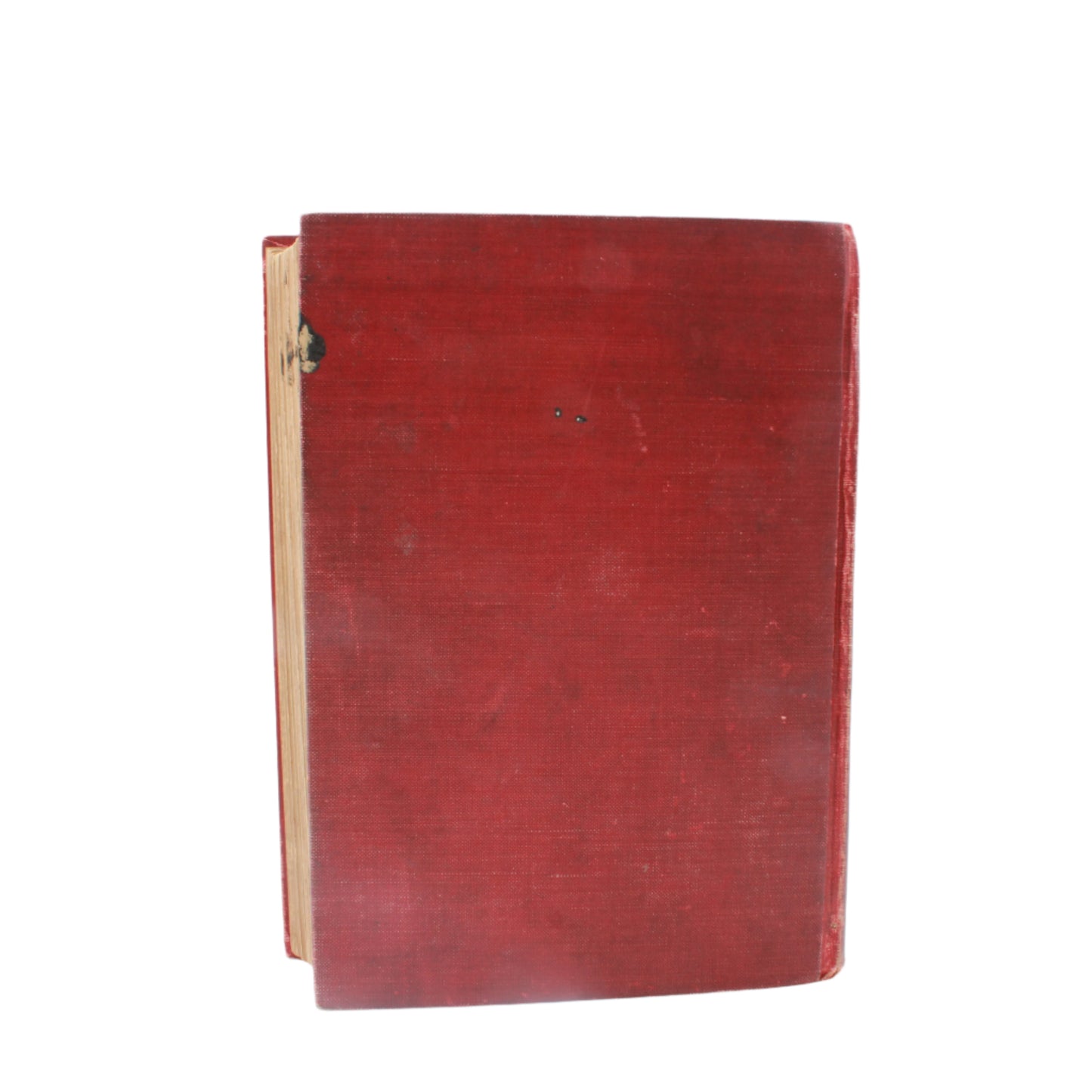
This 1902 edition of "The Rebel of the School" represents L. T. Meade's astute contribution to the genre of girls' literature during a pivotal era of changing feminine ideals. Jointly issued by W. & R. Chambers of London/Edinburgh and J. B. Lippincott of Philadelphia, the volume exemplifies transatlantic literary exchange at the dawn of the twentieth century. Meade, born Elizabeth Thomasina Meade Smith, crafts a narrative centered on a defiant young heroine navigating the complex social ecosystem of an all-girls educational institution, deftly exploring themes of moral development and interpersonal dynamics. The book's distinctive scarlet cloth binding, adorned with an arresting yellow and black illustration, epitomizes the aesthetic sensibilities of late Victorian and Edwardian publishing. W. Rainey's interior illustrations further elevate the narrative experience, creating a harmonious marriage of literary and visual artistry characteristic of premium juvenile literature from this refined period.
Overall, the text provides a lively narrative following the “rebel” heroine’s misadventures and the eventual lessons learned in friendship, responsibility, and compassion. Meade’s writing style weaves together light-hearted humor with moments of drama, maintaining a pace that is accessible for younger readers yet still entertaining for adults interested in early twentieth-century children’s literature. The novel also provides subtle insights into the changing expectations for girls and young women in educational institutions and wider society during the Edwardian period.
Condition:
The book presents modest wear commensurate with its age and likely frequent handling by youthful readers over the decades. The red cloth cover retains much of its color and vibrancy, but shows some rubbing and minor fraying along the edges and corners. Gilt or dark lettering on the spine and front board is generally clear, though there may be slight dulling from handling. Internally, the pages display typical toning, and there may be scattered foxing or light soiling from age. An inscription dating to September 1910 provides a personal touch and historic provenance.
Choosing a selection results in a full page refresh.
Opens in a new window.
Details
Important Info About Antique & Vintage
Shipping & Returns
Details
Written In English
This 1902 edition of "The Rebel of the School" represents L. T. Meade's astute contribution to the genre of girls' literature during a pivotal era of changing feminine ideals. Jointly issued by W. & R. Chambers of London/Edinburgh and J. B. Lippincott of Philadelphia, the volume exemplifies transatlantic literary exchange at the dawn of the twentieth century. Meade, born Elizabeth Thomasina Meade Smith, crafts a narrative centered on a defiant young heroine navigating the complex social ecosystem of an all-girls educational institution, deftly exploring themes of moral development and interpersonal dynamics. The book's distinctive scarlet cloth binding, adorned with an arresting yellow and black illustration, epitomizes the aesthetic sensibilities of late Victorian and Edwardian publishing. W. Rainey's interior illustrations further elevate the narrative experience, creating a harmonious marriage of literary and visual artistry characteristic of premium juvenile literature from this refined period.
Overall, the text provides a lively narrative following the “rebel” heroine’s misadventures and the eventual lessons learned in friendship, responsibility, and compassion. Meade’s writing style weaves together light-hearted humor with moments of drama, maintaining a pace that is accessible for younger readers yet still entertaining for adults interested in early twentieth-century children’s literature. The novel also provides subtle insights into the changing expectations for girls and young women in educational institutions and wider society during the Edwardian period.
Condition:
The book presents modest wear commensurate with its age and likely frequent handling by youthful readers over the decades. The red cloth cover retains much of its color and vibrancy, but shows some rubbing and minor fraying along the edges and corners. Gilt or dark lettering on the spine and front board is generally clear, though there may be slight dulling from handling. Internally, the pages display typical toning, and there may be scattered foxing or light soiling from age. An inscription dating to September 1910 provides a personal touch and historic provenance.
Important Info About Antique & Vintage
Vintage and antique items are unique and sold as is; small imperfections, patina, and prior repairs are part of their history.
Please review all photos, measurements, and the full description carefully before purchasing.
If you would like additional closeups, measurements, or provenance information we are happy to provide them; contact us before buying.
Any significant restoration, replacement parts, or condition issues are disclosed in the listing.
If authenticity or maker marks are important to you, please ask and we will share what we know.
For care or handling advice, contact us and we will recommend best practices to preserve your piece.
If you have concerns after delivery please reach out within seven days so we can assist.
Shipping & Returns
All Sales Are Final Each piece we offer is one of a kind and may show signs of its age and history. We do our best to photograph and describe any imperfections or wear so you can purchase with confidence. Please review all photos and details carefully and reach out if you would like more information before purchasing.
Shipping Timeframe Most orders ship within 3 to 5 business days. Larger or furniture pieces may take 6 to 9 business days. If there is ever a delay or special circumstance, we will contact you using the email you provide at checkout.
Missing, Stolen, or Damaged Packages While rare, shipping issues can happen. Please see our full Returns & Damaged Policy for the simple next steps if something goes wrong.